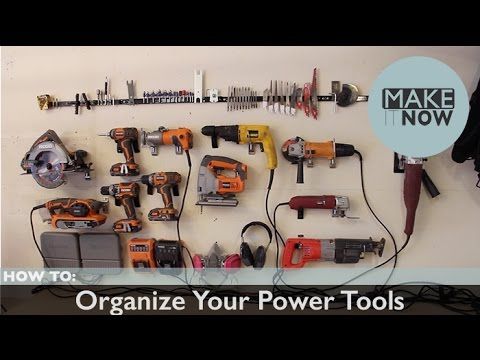
Power tools are an investment in productivity, precision, and professional capability. Whether you rely on cordless drills, circular saws, impact drivers, or rotary hammers, the performance you extract from these machines is directly tied to how well you care for them. Neglected tools lose torque, overheat under load, and fail at the worst possible moment. This guide outlines a disciplined maintenance regimen that protects your investment and keeps every tool operating at peak efficiency.
Why Preventive Maintenance Matters
Power tools operate under significant mechanical and electrical stress. Motors spin at high RPMs, brushes wear against commutators, bearings endure constant load, and cutting accessories generate friction and heat. Without routine care, these stress points degrade quickly. The consequences extend beyond repair costs: a dull blade or misaligned bit forces the motor to work harder, which accelerates wear across the entire tool.
Preventive maintenance delivers measurable returns:
- Extended tool lifespan — consistent care can double or triple service life.
- Consistent performance — maintained tools deliver full rated torque and speed.
- Improved safety — worn components are a leading cause of kickback and electrical faults.
- Lower operating costs — fewer repairs, fewer replacements, less downtime.
Daily Care After Every Use
The most impactful maintenance happens in the minutes immediately following a job. Establish a post-use routine and follow it without exception.
Cleaning
Remove dust, debris, and metal shavings from the tool body, ventilation ports, and chuck. Compressed air is effective for clearing motor housings, but hold the nozzle at a distance to avoid forcing debris deeper into the tool. Wipe exterior surfaces with a dry or slightly damp cloth. Never use solvents that can degrade plastic housings or rubber grips.
Inspection
Perform a quick visual and tactile inspection before storage:
Battery Handling for Cordless Tools
Battery chemistry dictates performance. Store lithium-ion packs at moderate temperatures, away from direct sunlight and freezing conditions. Avoid full discharge cycles and recharge to roughly half capacity for extended storage. Clean battery contacts with a dry cloth to prevent resistance buildup, and never store batteries on the charger indefinitely.
Lubrication and Moving Parts
Moving components require appropriate lubrication to minimize friction and heat. Apply a few drops of machine oil to chuck mechanisms, depth adjustment rods, and hinge points on guards. For impact drivers and rotary hammers, follow the manufacturer’s specification regarding grease type and service intervals — sealed gearboxes generally require professional servicing rather than user intervention. Over-lubrication attracts dust and can be as harmful as neglect.
Accessory Maintenance: The Multiplier Effect
A well-maintained tool paired with a worn accessory still underperforms. Treat cutting and drilling accessories with equal attention.
| Circular saw blades | Clean pitch buildup; sharpen or replace when cutting slows | After each project |
| Drill bits | Inspect cutting edges; sharpen or replace when dull | Weekly or per use |
| Router bits | Remove resin; check bearings for play | After each use |
| Sanding pads | Replace when grit wears smooth | As needed |
Sharp accessories reduce motor load, lower heat generation, and produce cleaner results. This is one of the highest-leverage habits in any maintenance program.
Carbon Brushes and Internal Components
Many corded tools use carbon brushes that wear over time. When brushes wear down, motors spark excessively, lose power, and can sustain commutator damage. Check brush condition according to the manufacturer’s schedule — typically every 50 to 100 hours of use. Replace brushes in pairs and inspect the commutator for scoring while the housing is open. For sealed motors and gearboxes, defer to authorized service centers for internal inspection.
Storage Best Practices
How you store tools determines their condition between jobs. Follow these principles:
- Store tools in a dry, climate-controlled environment to prevent corrosion.
- Use original cases or a dedicated tool chest to protect against impact and dust.
- Coil cords loosely without kinks and secure them with hook-and-loop straps.
- Hang or shelve tools rather than stacking them, which stresses housings and guards.
- Remove batteries from cordless tools during extended storage.
Periodic Professional Servicing
Even with diligent user maintenance, power tools benefit from professional service at defined intervals. Schedule servicing annually for tools in daily professional use, or every 100 to 200 hours of operation. A qualified technician can repack bearings, replace worn seals, test insulation resistance, and recalibrate components that affect performance and safety. Document service dates and keep receipts — this record supports warranty claims and informs replacement decisions.
Building a Maintenance Culture
The professionals who get the most from their equipment treat maintenance as part of the job, not an interruption of it. A simple log — tracking cleaning, inspection, lubrication, and service dates per tool — transforms good intentions into a reliable system. When maintenance becomes routine, performance becomes predictable. Your tools will start faster, run cooler, cut cleaner, and last longer, and your work will reflect the difference.
Leave a Reply