In the fast-moving world of technology and industrial operations, access to specialized equipment often determines whether a project launches on schedule or stalls in procurement limbo. Whether you are a startup scaling a data center, a construction firm leasing heavy machinery, or an IT department provisioning temporary hardware for a short-term initiative, equipment rental agreements are the legal backbone that protects both parties. Understanding the fine print before you sign is not a formality—it is a strategic imperative.
This guide breaks down the essential components of equipment rental agreements so you can negotiate with confidence and avoid costly surprises.
Why Equipment Rental Agreements Matter
Renting equipment offers clear advantages: lower upfront capital expenditure, flexibility to scale operations, and access to the latest technology without long-term depreciation risk. However, these benefits come with obligations. A well-drafted rental agreement defines who is responsible for what, minimizes liability exposure, and establishes clear expectations for maintenance, return, and payment.
Without a thorough understanding of the contract, businesses risk hidden fees, ambiguous damage clauses, and disputes that can escalate into litigation. In the technology sector—where equipment often carries high replacement values and sensitive data—the stakes are especially high.
Key Elements of a Rental Agreement
Every equipment rental agreement should address several core areas. Review each section carefully and confirm that the terms align with your operational needs.
1. Identification of Equipment and Terms
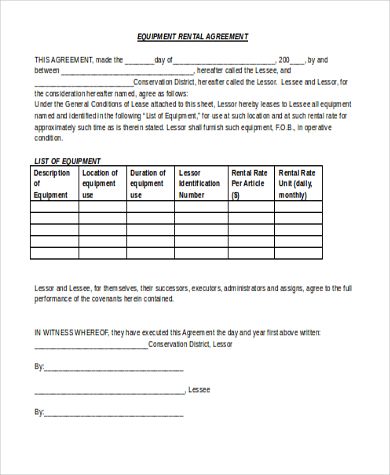
The agreement must precisely describe the equipment being rented, including model numbers, serial numbers, and condition at the time of delivery. Vague descriptions invite disputes later. The rental period should specify start and end dates, renewal options, and the process for extending the term.
2. Payment Terms and Fees
Payment structures vary widely. Common arrangements include daily, weekly, and monthly rates, with discounts for longer commitments. Watch for:
- Security deposits and the conditions for their return
- Late return penalties and grace periods
- Delivery and pickup charges
- Fuel or consumable fees (for machinery and generators)
- Taxes and administrative surcharges
Confirm the billing cycle and accepted payment methods, and clarify whether fees are fixed or subject to adjustment.
3. Maintenance and Repair Responsibilities
Who handles routine maintenance? Who pays for repairs? The agreement should draw a clear line between normal wear and tear and damage caused by misuse or negligence. In most cases, the lessor is responsible for maintaining the equipment in working order, while the lessee must report malfunctions promptly and avoid unauthorized modifications.
4. Insurance and Liability
Liability allocation is one of the most consequential sections. The lessee is typically required to carry insurance covering damage, theft, and third-party liability. Review whether the lessor’s insurance overlaps with yours and confirm the deductible obligations. Some agreements include damage waivers, which limit your financial exposure for accidental damage—but these often exclude negligence or theft.
5. Return Conditions and Inspection
The contract should define the condition in which equipment must be returned and the inspection process. Photograph and document equipment condition at delivery and return to protect yourself against inflated damage claims. Clarify cleaning requirements and restocking fees.
Common Pitfalls to Avoid
Even experienced procurement teams overlook critical details. Keep these risks on your radar:
Comparison: Lease vs. Short-Term Rental
Understanding the distinction between rental structures helps you choose the right contract type.
| Duration | Days to months | Typically 12 months or more |
| Cost Structure | Higher daily rate | Lower monthly rate |
| Maintenance | Usually lessor-provided | Often shared or lessee-managed |
| Flexibility | High | Limited by term commitments |
| Best For | Short projects, trials | Ongoing operations |
Best Practices Before Signing
Protect your organization by following a disciplined review process:
- Read the entire agreement, including appendices and referenced documents
- Negotiate ambiguous clauses before signing—not after a dispute arises
- Document equipment condition with photos and signed inspection reports
- Verify insurance coverage meets the contract’s requirements
- Confirm cancellation and early termination terms in writing
Final Thoughts
Equipment rental agreements are more than paperwork—they are risk management tools. In the technology sector, where equipment values are high and operational timelines are tight, a carefully reviewed contract safeguards your budget, your schedule, and your legal standing. Take the time to understand every clause, negotiate where necessary, and document everything. The result is a rental relationship that serves your project rather than complicating it.
Consult legal counsel for agreements involving high-value or specialized equipment, and always align contract terms with your organization’s procurement and compliance policies.
Leave a Reply