Renting heavy equipment is a strategic decision that can determine whether a construction project finishes on schedule and within budget—or spirals into costly downtime. Whether you need an excavator for a site preparation job or a telehandler for a high-rise build, the difference between a smooth rental experience and a logistical nightmare often comes down to preparation. Before you sign a rental agreement, you need to verify the machine’s condition, the terms of the contract, and the reliability of the provider. This guide breaks down exactly what to check before renting heavy equipment so you can protect your project, your crew, and your bottom line.
1. Verify the Equipment’s Condition and Service History
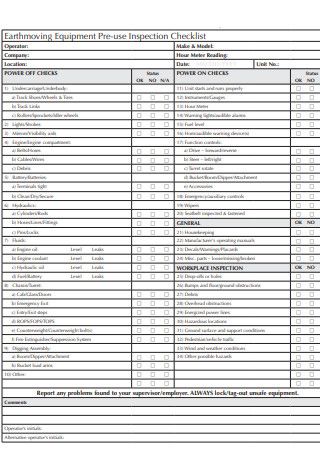
The single most important factor in any heavy equipment rental is the condition of the machine itself. A unit that looks clean on the outside may have hidden mechanical issues that surface hours into a job. Always inspect the equipment in person or request a detailed condition report before committing.
Key inspection points
- Service records: Ask for maintenance logs proving routine servicing, oil changes, and major repairs.
- Hour meter readings: High hours are not automatically disqualifying, but they should correspond with the price and expected reliability.
- Hydraulic systems: Check for leaks, weakened hoses, and cylinder performance.
- Undercarriage and tires: Inspect tracks, tread depth, and wear patterns, especially on crawler machines.
- Safety systems: Confirm backup alarms, lights, seat belts, and emergency stops are functional.
- Fluid levels and filters: Low or contaminated fluids point to neglected maintenance.
Document everything with photos and timestamped notes. If a defect is not recorded before pickup, you may be held responsible for it at return.
2. Confirm the Rental Agreement and Insurance Terms
Heavy equipment rental contracts are dense, and the clauses that matter most are often buried. Review the agreement carefully and clarify responsibility for damage, theft, and breakdowns before you take possession.
Contract elements to review
3. Match the Machine to the Job and the Site
Renting the wrong size or type of equipment wastes money and creates safety hazards. Before booking, confirm that the machine’s specifications align with your project requirements and site conditions.
| Lifting capacity | Rated load must exceed your heaviest expected lift with a safety margin |
| Reach and dig depth | Confirm boom and arm geometry meet trench or placement needs |
| Transport weight | Ensure your trailers and haul routes can legally carry the unit |
| Site access | Check gate widths, ground bearing capacity, and overhead clearance |
| Attachments | Verify buckets, breakers, or forks are included or available |
4. Evaluate the Rental Provider’s Reputation and Support
Equipment quality matters, but so does the company behind it. A reliable provider responds quickly when a machine fails and stands behind its contracts. Before signing, research the vendor’s track record and confirm the support structure available to you.
- Response times: Ask how quickly field service technicians can reach your site.
- Replacement policy: Confirm whether a substitute machine is provided during repairs.
- Delivery and pickup logistics: Clarify who coordinates transport and who bears the cost.
- Customer references: Request contacts from similar projects or industries.
- Certifications: Look for industry accreditations and compliance with safety standards.
5. Plan for Operator Training and Safety Compliance
Even the best-maintained machine becomes a liability in untrained hands. Confirm that your operators hold the proper certifications and that the rental includes adequate orientation.
Safety checklist before operation
- Verify operators hold current licenses for the equipment class.
- Request familiarization training or a walkthrough at delivery.
- Confirm the machine meets local emissions and safety regulations.
- Inspect fire extinguishers, first aid kits, and fall protection points.
- Review lockout and emergency shutdown procedures with your crew.
6. Document Everything at Pickup and Return
Disputes over damage are among the most common friction points in equipment rental. Protect yourself with a thorough, documented handover in both directions. Walk the machine with a representative, photograph every panel and component, and note existing damage in writing before signing. Repeat the process at return and retain copies of all paperwork.
Renting heavy equipment is a significant investment, and diligence upfront prevents expensive surprises later. By verifying machine condition, scrutinizing the contract, matching specifications to the job, vetting the provider, and documenting every handover, you position your project for predictable performance and peace of mind. Treat the pre-rental checklist as non-negotiable—your schedule and budget will thank you.
Leave a Reply