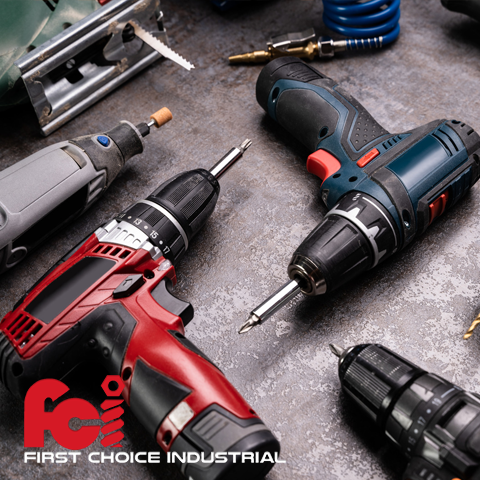
Selecting the right power tools is one of the most consequential decisions you will make on any project. The correct tool improves efficiency, extends the life of your materials, and reduces the risk of injury. The wrong tool—or a poorly matched specification—can compromise workmanship, inflate costs, and create safety hazards. This guide outlines a structured approach to matching power tools to the demands of your project, from a single weekend repair to a full-scale build.
Start With a Clear Project Assessment
Before comparing brands or specifications, define the scope of the work. Tool selection flows directly from the tasks required, the materials involved, and the frequency of use.
- Task inventory: List every operation the project requires—cutting, drilling, fastening, sanding, grinding, or demolition.
- Material types: Hardwood, softwood, masonry, metal, and composite materials each demand different torque, speed, and blade or bit configurations.
- Scale and duration: A one-time repair justifies a different investment than recurring professional use.
- Worksite conditions: Confined spaces, outdoor exposure, and overhead work influence tool weight, cordless operation, and safety requirements.
A written task list prevents two common errors: purchasing tools you will never use and underestimating the power required for the job.
Match Tool Power and Specifications to the Task
Voltage, Amperage, and Torque
Power ratings are meaningless in isolation; they must align with the work. Cordless platforms are rated by voltage, while corded tools are rated by amperage. Higher voltage generally delivers more power and runtime, but also adds weight and cost. For drilling into masonry or driving long fasteners, torque—not raw speed—is the decisive metric.
Speed and Control
Variable-speed triggers and electronic speed control are essential for precision work. A drill that cannot run slowly will struggle with delicate materials, while a saw without speed adjustment may burn or splinter finishes. Prioritize tools that offer control, not merely output.
Capacity Ratings
Check the manufacturer’s stated capacities: maximum drilling diameter, blade size, cut depth, and fastener gauge. Select a tool rated comfortably above your heaviest expected task so it operates within its design limits rather than at its ceiling.
Choose the Right Power Source
The corded-versus-cordless decision shapes nearly every other consideration.
| Power output | Consistent, unlimited runtime | Dependent on battery platform |
| Portability | Limited by cord and outlet access | Fully mobile |
| Weight | Generally lighter | Heavier due to battery |
| Best for | High-demand, stationary, or prolonged work | Remote sites, quick tasks, overhead work |
For professionals, committing to a single battery platform is a strategic advantage: shared batteries and chargers reduce total cost and simplify logistics. Evaluate the ecosystem’s breadth before investing in any one brand.
Evaluate Ergonomics, Safety, and Build Quality
A tool you cannot control safely is the wrong tool, regardless of specification.
- Weight and balance: Test the tool in hand; balance matters more than total weight during extended use.
- Grip and reach: Ensure handles suit your hand size and that controls are reachable without repositioning.
- Safety features: Look for electronic brakes, kickback protection, blade guards, and anti-restart functions.
- Build quality: Metal gearing, sealed bearings, and quality housings correlate with durability and precision.
Weigh the Buy-versus-Rent Decision
Not every tool warrants purchase. Apply a simple test:
For core tools—drills, drivers, circular saws—purchase quality once. For specialized or infrequent tasks, rent.
Verify Compatibility and Accessories
The tool is only part of the system. Confirm that blades, bits, batteries, and attachments are readily available and competitively priced. A tool with a proprietary accessory ecosystem can become costly over time. Check that the platform supports the attachments your future projects will require, not just the current one.
Conclusion
Choosing the right power tools is a discipline of matching capability to requirement. Assess the project honestly, specify power and capacity to the task, select the appropriate power source, and insist on ergonomic and safety quality. Invest in the tools you will use repeatedly, rent the specialists, and commit to a platform that supports your long-term work. Tools selected this way pay for themselves in precision, productivity, and safety.
Leave a Reply