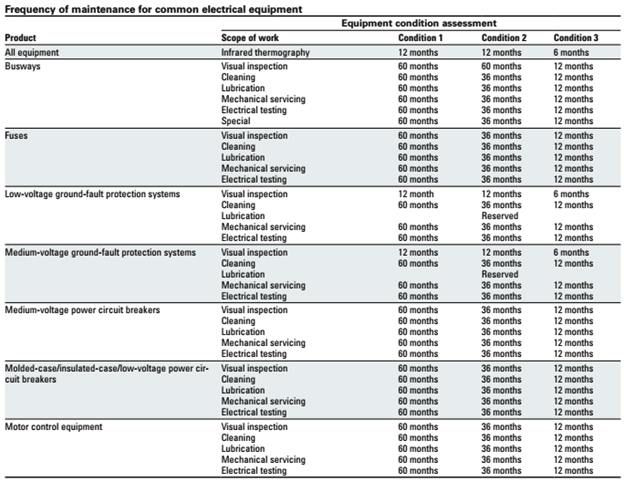
Electrical equipment is the backbone of modern industrial and commercial operations. From switchgear and transformers to motors and control panels, every component plays a critical role in keeping facilities running safely and efficiently. Yet electrical assets are often neglected until failure occurs—an approach that invites unplanned downtime, safety incidents, and costly emergency repairs. Implementing a structured maintenance program is not merely a compliance obligation; it is a strategic investment in operational resilience. This guide outlines the essential best practices for maintaining electrical equipment at peak performance.
Why Electrical Maintenance Matters
Electrical failures account for a significant share of unplanned industrial downtime. According to industry data, poorly maintained electrical systems contribute to equipment breakdowns, fire hazards, and premature asset degradation. A proactive maintenance strategy delivers measurable returns:
- Extended asset lifespan through early detection of wear and degradation
- Reduced downtime by preventing catastrophic failures
- Improved safety for personnel and protection of property
- Lower total cost of ownership by shifting from reactive repairs to planned interventions
- Regulatory compliance with electrical safety codes and standards
Establish a Risk-Based Maintenance Strategy
Not all equipment demands the same level of attention. A risk-based approach prioritizes maintenance resources where they matter most. Begin by inventorying all electrical assets and classifying them according to criticality, failure probability, and consequence of failure.
Core Maintenance Approaches
| Preventive Maintenance | Scheduled inspections and servicing at fixed intervals | Standard equipment with predictable wear patterns |
| Predictive Maintenance | Condition monitoring using sensors and diagnostics | Critical assets such as transformers and large motors |
| Corrective Maintenance | Repairs performed after a fault is identified | Non-critical or redundant equipment |
| Reliability-Centered Maintenance | Structured analysis to optimize maintenance tasks | Complex systems requiring cost-benefit optimization |
A blended strategy—combining preventive schedules with predictive technologies—typically delivers the strongest results for high-value electrical assets.
Conduct Regular Inspections and Thermographic Surveys
Visual inspections remain the foundation of any maintenance program. Trained technicians should examine equipment for signs of overheating, corrosion, loose connections, insulation damage, and moisture ingress. Document every finding and track trends over time.
Infrared thermography is one of the most effective diagnostic tools available. Thermal imaging detects abnormal heat patterns caused by loose connections, overloaded circuits, and failing components—often before visible symptoms appear. Schedule thermographic surveys at least annually, and more frequently for critical distribution systems.
Implement Condition Monitoring and Testing
Predictive maintenance relies on measurable data. Key testing practices for electrical equipment include:
Establish baseline measurements for each asset and compare subsequent readings against those baselines. Trending data over time reveals deterioration long before functional failure occurs.
Prioritize Safety and Lockout/Tagout Procedures
Electrical maintenance carries inherent hazards. No maintenance task should proceed without strict adherence to safety protocols:
- Enforce lockout/tagout (LOTO) procedures before any work on de-energized equipment
- Verify absence of voltage using properly rated test instruments
- Require appropriate personal protective equipment (PPE), including arc-rated clothing and insulated tools
- Ensure only qualified, licensed personnel perform electrical work
- Conduct regular arc flash risk assessments and update equipment labeling
Safety is not a separate initiative from maintenance—it is embedded in every procedure. A culture of safety reduces incidents and reinforces disciplined maintenance practices.
Maintain Accurate Documentation and Asset Records
Reliable maintenance depends on reliable information. Maintain comprehensive records for every piece of electrical equipment, including:
- Equipment specifications, serial numbers, and installation dates
- Maintenance history, test results, and inspection findings
- Manufacturer recommendations and warranty details
- Single-line diagrams and panel schedules kept current
Modern computerized maintenance management systems (CMMS) streamline recordkeeping, automate work order scheduling, and provide analytics that inform decision-making. Digital records also support audits and regulatory compliance.
Train Personnel and Build Competency
Even the best maintenance program depends on skilled people. Invest in ongoing training for maintenance technicians and electricians, covering:
- Equipment-specific operating and maintenance procedures
- Diagnostic testing techniques and instrument operation
- Electrical safety standards and emergency response
- Interpretation of test data and trending analysis
Cross-training team members reduces dependency on individual experts and ensures continuity when personnel change. Certifications from recognized bodies add credibility and demonstrate commitment to professional standards.
Plan for Spare Parts and Emergency Readiness
Critical electrical components—breakers, fuses, relays, contactors, and protective devices—should be stocked according to asset criticality and lead times. Maintain an inventory strategy that balances carrying costs against the risk of extended downtime. Additionally, develop and rehearse emergency response plans for electrical failures, including clear escalation paths and contact lists for specialized contractors.
Conclusion
Electrical equipment maintenance is a disciplined, data-driven practice that protects people, assets, and productivity. By adopting a risk-based strategy, leveraging condition monitoring technologies, enforcing rigorous safety protocols, and investing in documentation and training, organizations transform maintenance from a cost center into a competitive advantage. The most reliable electrical systems are not those that never fail—they are those whose failures are anticipated, prevented, and managed through preparation.
Leave a Reply